

In our technology-driven world, the heart of successful B2B interactions is still the same: strong customer relationships. However, the means to cultivate and maintain these relationships have evolved dramatically over the years. Digital tools, data insights, and technology now dominate the landscape, presenting both challenges and great opportunities.
Niels Schillewaert, a leader in e-marketing and services marketing, stresses the need for blending deep human understanding with strategic business insights to stay relevant in our growing digital era.
Quick Takeaways
Customer relationships in B2B thrive when businesses balance human connection with data-driven strategies.
Democratizing insights across teams fosters better understanding of client needs.
Technology is a tool to enhance relationships, not a substitute for meaningful engagement.
Success lies in proactive outreach and understanding customer behavior and future trends.
Prioritize Human Understanding in a Digital World
Technology offers businesses tools to analyze customer behavior, preferences, and needs. But Schillewaert’s research reminds us that these tools are effective only when combined with deep human understanding. Businesses must go beyond the surface-level insights to truly grasp the “why” behind customer actions.
Engage directly with customers. Use qualitative methods like interviews or focus groups to uncover unmet needs and emotional drivers behind decisions.
Use triangulated methods. Pair quantitative data with qualitative insights to create a fuller picture of customer needs and motivations.
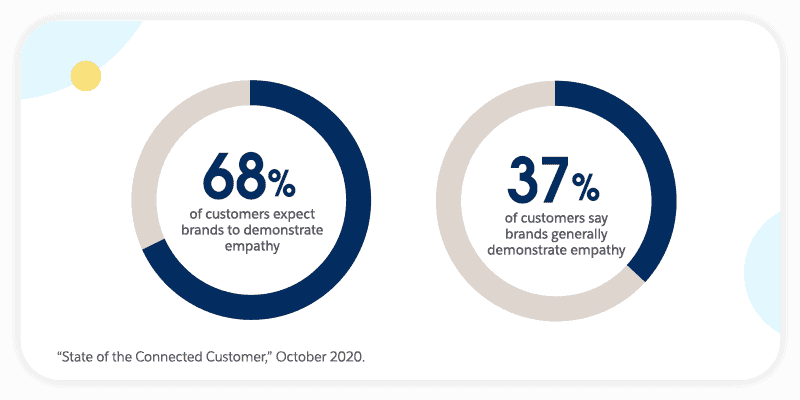
Empathize consistently. Empathy builds trust, showing clients they are valued as people, not just data points.
Socialize and Democratize Insights Across Teams
Customer insights lose value if they remain siloed within specific teams. Schillewaert advocates for democratizing insights, making them accessible across an organization.
Create cross-functional sharing platforms. Regularly update all teams—sales, marketing, manufacturing, product development—on customer trends and needs.
Host customer insight workshops. Use real-life case studies to help teams better understand customer behavior and expectations.
Automate reports. Use CRM and AI tools to deliver easy-to-digest insights in real-time, empowering employees to act swiftly.
Use Technology as a Relationship Enhancer
While AI, CRM systems, and automation streamline processes, they should serve as tools to complement—not replace—human connection.
Practical Ways to Use Technology:
AI for predictive analysis. Predict customer needs and address issues before they arise.
CRM for personalization. Craft tailored communications based on previous interactions.
Automation for efficiency. Free up time for teams to focus on creative, human-centric tasks like problem-solving and nurturing relationships.
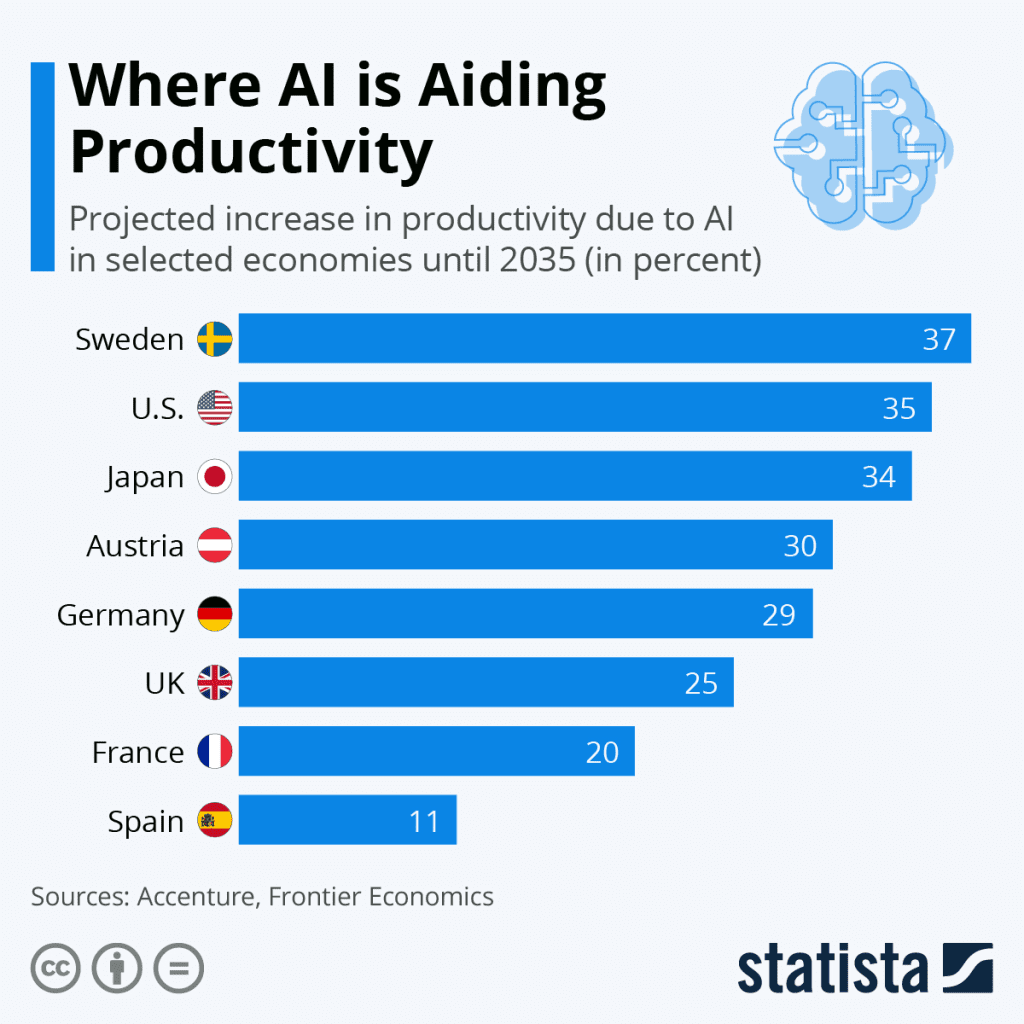
When used wisely, technology enhances responsiveness, personalizes interactions, and builds trust—all crucial for strengthening customer bonds.
Focus on the Future: Anticipate and Adapt
Traditional insights often focus on past behavior, but in a rapidly changing market, businesses must look forward. Anticipating customer needs and aligning with future trends can differentiate a business from its competitors.
Leverage trend analysis. Study emerging industry shifts and how they might impact customers.
Ask forward-looking questions. Gather insights on where customers see themselves in the next 1–5 years and align offerings accordingly.
Adapt quickly. Be agile in updating products, services, and strategies based on evolving customer needs.
Measuring Impact for Sustainable Relationships
Businesses often focus on customer satisfaction metrics but neglect to measure the impact of their insights-driven initiatives. Demonstrating tangible returns on these efforts solidifies trust and enhances relationships.
Develop metrics that matter. Focus on customer retention rates, lifetime value, and problem resolution efficiency.
Communicate impact. Share results with customers to demonstrate commitment to their success.
Improve iteratively. Use feedback loops to refine insights and strategies over time.
A Practical Framework for Success
Building strong customer relationships requires deliberate effort and organization. Schillewaert highlights these actionable steps:
Map stakeholders. Identify decision-makers and influencers within both your organization and your clients’.
Automate strategically. Identify tasks that can be streamlined using technology while preserving the personal touch where it matters most.
Develop strategic skills. Invest in training for employees to interpret data effectively and communicate insights.
Outsource wisely. Delegate non-core functions to create room for strategic thinking and relationship building.
Build Relationships with Personalized Experiences
Personalization moves interactions from transactional to meaningful. With today’s technology, businesses can tailor experiences at scale, making each customer feel valued and understood.
Effective Personalization Tactics:
Segment audiences effectively. Divide customers into categories based on preferences, purchase history, and industry to deliver relevant messages.
Create unique onboarding journeys. Guide new customers with personalized email sequences or one-on-one calls tailored to their goals.
Offer exclusive benefits. Provide incentives like loyalty programs or early access to new products to strengthen connections.
Personalization is a powerful tool for demonstrating that your business understands and values its clients.
Empower Employees to Strengthen Customer Ties
Customer-facing employees are often the first point of contact and the face of a company. Investing in their development ensures they have the skills and confidence to build and maintain strong relationships.
Provide training on emotional intelligence. Teach employees how to empathize and effectively respond to customer needs.
Encourage autonomy. Allow employees to make decisions that address customer concerns without excessive approval processes.
Celebrate employee success. Recognize team members who excel at creating positive client experiences, reinforcing their dedication.
A well-prepared team not only strengthens customer trust but also reinforces your company’s reputation as a reliable partner.
ISBM is Your Partner in B2B Excellence
Building customer relationships in the digital era isn’t about replacing personal connections with data—it’s about enhancing them. By blending deep human understanding with actionable insights, businesses can anticipate needs, foster trust, and drive true growth.
ISBM is committed to empowering businesses with the knowledge and tools needed to succeed.. With extensive expertise and a focus on education, we support organizations in creating impactful customer relationships that stand the test of time. Become a member today to learn how we can help you build a stronger foundation for success.