

Effective AI investment begins with a clear, strategic approach that balances current business needs with forward-thinking innovation. ISBM’s recent AI Strategy Jam Session introduced a structured framework for mapping and prioritizing AI initiatives, offering organizations a roadmap to align AI investments with long-term objectives. This guide explores how businesses can apply this approach to maximize the impact of AI across various functions.
Quick Takeaways
Mapping initiatives on a 2×2 portfolio framework clarifies business priorities.
Target percentages guide the balanced distribution of AI investments.
Adjustments can enhance existing projects and stimulate new ideas.
Killing low-priority initiatives frees up resources for more impactful efforts.
Mapping AI Initiatives: The 2x2 Portfolio
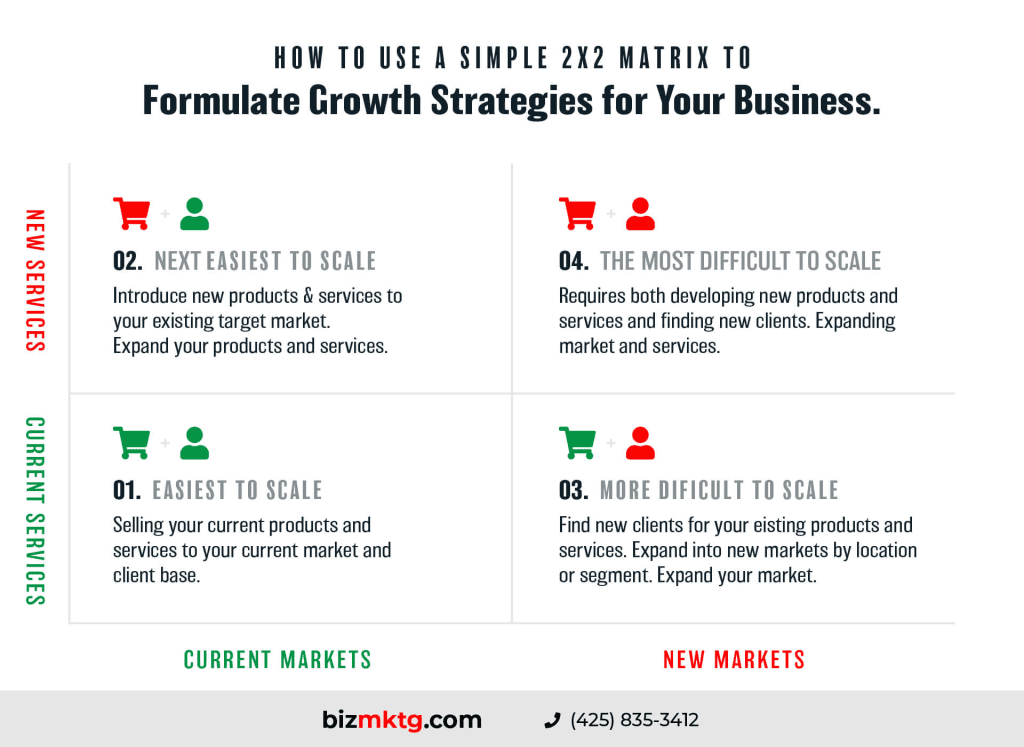
Mapping AI initiatives on a 2×2 portfolio provides a great view of how each initiative aligns with both current and future business needs. This portfolio tool plots initiatives along two key dimensions:
Vertical Axis: Business Criticality – Measures the initiative’s importance to core business operations.
Horizontal Axis: Innovation/Newness – Gauges how novel or pioneering the initiative is within the organization.
Using these criteria, initiatives are classified into four quadrants:
Run the Business: Initiatives that maintain or support existing operations.
Improve the Business: Projects that optimize current processes or improve efficiency.
Grow the Business: Investments aimed at expanding the business through scalable solutions.
Innovate the Business: High-risk, high-reward projects focused on pioneering new technology or markets.
Allocating AI initiatives into these quadrants empowers leaders to identify where resources are currently invested and spot opportunities for rebalancing.
Adjusting the AI Portfolio for Balanced Distribution
Once initiatives are mapped, the next step is balancing the portfolio according to target percentages. This optimized distribution promotes a steady flow of operational support, incremental improvements, growth-focused projects, and future-facing innovation. The recommended distribution typically follows:
Run the Business: 40%
Improve the Business: 35%
Grow the Business: 15%
Innovate the Business: 10%
Achieving this balance often requires critical decision-making. Some low-priority initiatives may need to be eliminated, while others might be enhanced or reimagined to better serve strategic goals. Leaders can adjust their portfolio by:
Killing Low-Priority Initiatives – Removing projects that don’t align with current or future priorities.
Enhancing Existing Initiatives – Allocating additional resources or refining objectives to strengthen promising projects.
Creating New Initiatives – Identifying gaps in the current portfolio and launching new projects to address emerging needs or opportunities.
This iterative process encourages constant recalibration, helping organizations remain agile while ensuring that resources are allocated effectively across diverse AI goals.
Assessing Organizational AI Readiness
Effective prioritization of AI investments relies heavily on an organization’s readiness to integrate and scale these technologies. ISBM’s readiness framework focuses on four critical pillars that businesses should assess when building an AI-driven culture:
Leadership – Involvement and support from senior leadership are essential. Leaders must actively shape the AI strategy, communicate its objectives, and align it with broader business goals.
Governance – Clearly defined roles, responsibilities, and funding mechanisms ensure that AI initiatives are strategically managed and transparent.
Competence – A skilled workforce with the capability to deploy, manage, and iterate on AI solutions is crucial. Regular skill-building and AI literacy initiatives keep teams prepared for ongoing advancements.
Technology – Flexible, scalable, and up-to-date infrastructure enables smooth AI integration. This pillar includes quality data management and cloud platforms that support scalable AI applications.
Crafting an AI Vision and Council for Sustained Focus
Establishing a clear AI vision and an AI council can provide structure and purpose to all AI efforts across an organization. During the Jam Session, participants explored how an AI council defines the mission, scope, and objectives for AI initiatives, ensuring consistent alignment with business strategies. A well-formed AI council includes roles such as:
AI Council Chair – Leads meetings, sets agendas, and guides discussions.
Data Scientists and Engineers – Develop and refine AI models and applications.
Marketing Strategists – Leverage AI insights to create data-driven marketing strategies.
Ethics Officer – Oversees ethical AI practices and compliance.
IT Support – Maintains and updates technical infrastructure.
This council is responsible for setting AI-related goals, tracking performance, and ensuring ethical and effective AI implementation. By fostering collaboration among departments, the council can advocate for AI’s potential and align AI initiatives with the organization’s strategic objectives.
Setting Measurable Outcomes and Key Performance Indicators (KPIs)
To measure the success of AI initiatives, the AI council should establish clear, measurable outcomes that reflect business objectives. Performance metrics often cover:
Operational Efficiency – Time and resource savings gained from AI-driven process improvements.
Customer Satisfaction – Enhancements in customer experience, such as faster response times or personalized interactions.
Revenue Growth – Increases in conversion rates or customer retention driven by AI insights.
Market Share Expansion – Growth in market presence through data-informed strategies.
By regularly assessing these metrics, businesses can better understand the impact of AI and make informed adjustments to their portfolio as needed.
What to Remember from Our Strategy Session
There was a lot to cover here! Getting visual, creating balance, being ready, and making sure you’re overseeing your AI counsel properly are important for success.
Map to Maximize – Visualizing AI initiatives within a structured portfolio allows leaders to see where their investments lie, making prioritization more straightforward and effective.
Balance with Purpose – Aligning initiatives with specific target percentages ensures a balance between operational support and forward-looking innovation.
Readiness is Key – Addressing AI readiness at the leadership, governance, competence, and technology levels helps prepare the organization for AI’s full integration.
Empower an AI Council – Building an AI council ensures cohesive oversight, ethical standards, and strategic alignment across AI initiatives.
Prioritizing AI initiatives within a strategic framework enables businesses to leverage AI as an integral part of their growth journey, maximizing the potential of each investment while supporting innovation at every level.
AI is Versatile in B2B Marketing
Investing in AI is definitely more than just a technological upgrade. It’s a transformational process that requires strategic planning, balanced prioritization, and organizational readiness. As your organization sorts through AI integration, partnering with ISBM can provide you with the insights, tools, and support needed to make every marketing initiative a success.
Membership with us grants access to exclusive resources, expert-led sessions, and a network of business leaders all focused on maximizing the impact of technology within B2B markets. From strategic frameworks to hands-on guidance, ISBM will equip you to effectively prioritize and execute AI projects that drive meaningful results!