

Personalization is the center of modern B2B marketing strategies. Rather than generic campaigns, B2B businesses now use personalized marketing to foster deeper connections with their buying teams, drive engagement, and enhance overall growth. By making messages more personal and catering to specific customer needs, businesses create lasting relationships that support long-term success.
The shift toward personalization addresses one fact: people want to feel seen and understood, even in business settings. With today’s tools, including data analytics and customer insights, personalizing marketing efforts is more accessible and effective than ever before!
Quick Takeaways
Personalization in B2B marketing creates stronger, more meaningful relationships.
Customizing messages and campaigns to individual buyers improves engagement and satisfaction.
Effective personalization can boost long-term business growth.
Every business can benefit from personalization techniques.
The Impact of Personalization on B2B Relationships
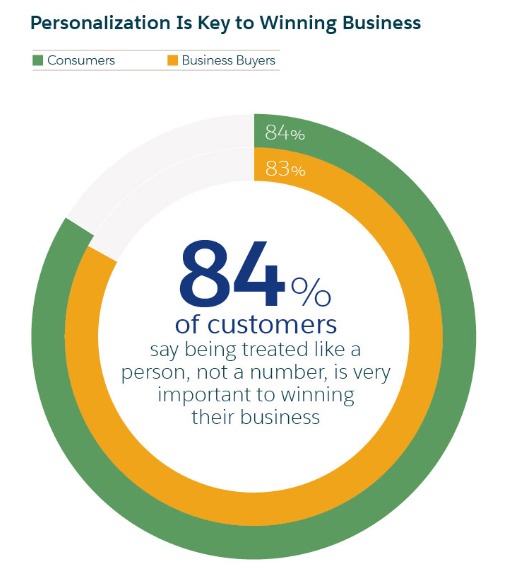
Marketing personalization greatly improves the way businesses communicate with their buying teams. Generic messaging and one-size-fits-all approaches often fall flat in today’s market. Personalization, by contrast, shows purchasers that their unique needs and preferences matter. Customized content, offers, and solutions directly address their specific pain points, making businesses stand out as trusted partners rather than just another vendor.
In B2B relationships, trust and loyalty are built over time. Personalization accelerates this process by creating tailored experiences that resonate more deeply with customers. Whether through targeted email campaigns, personalized proposals, or one-on-one meetings, personalized interactions foster a sense of understanding and connection that enhances the overall buyer experience.
Data-Driven Personalization for Improved Engagement
Data plays a pivotal role in personalizing B2B marketing efforts. Insights gleaned from customer interactions, purchasing behavior, and industry trends offer valuable information that can shape marketing strategies. With this data, businesses can craft highly relevant messages, product recommendations, and solutions that speak directly to each buyer’s current needs.
As an example – tracking a customer’s past purchases or browsing patterns allows a business to suggest relevant products or services at the right time. Automated tools help manage this process, making sure that personalized offers reach buyers efficiently. This approach not only increases the likelihood of conversion but also helps maintain an ongoing dialogue that keeps the customer engaged.
Beyond sales, personalized communication builds rapport. Tailored newsletters, for example, featuring industry-specific content or insights that address the challenges a particular customer faces, help maintain top-of-mind awareness while adding value to the relationship. These touches demonstrate that businesses are listening and responding to their buyer’s needs, reinforcing a sense of partnership.
AI and Automation as Personalization Tools
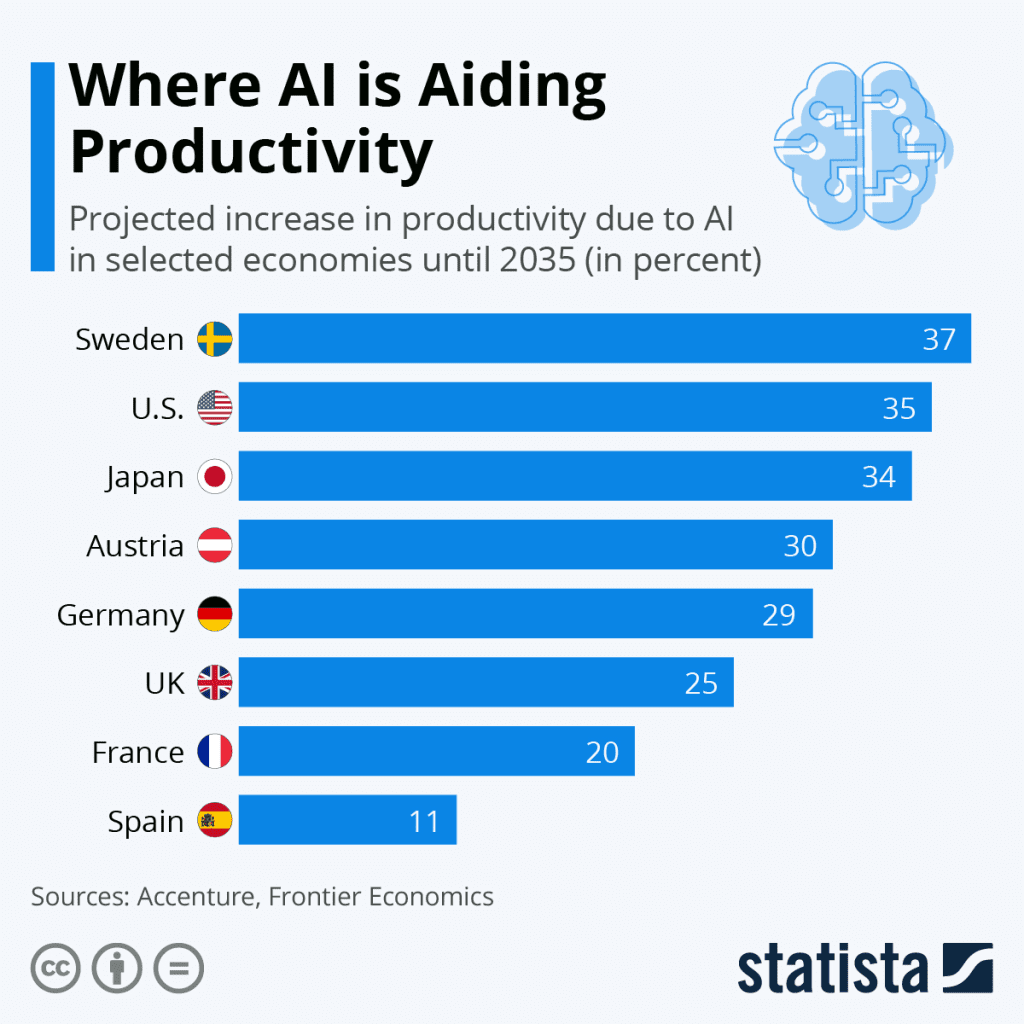
AI and automation have revolutionized the way personalization is implemented in B2B marketing. These technologies enable businesses to streamline processes, predict buyer behavior, and deliver custom messages at scale. While AI tools handle the data crunching and predictive analytics, human marketers can focus on crafting the actual messages that resonate.
Automated workflows, for example, allow businesses to send personalized follow-up emails after a potential customer interacts with their website or downloads a resource. Instead of manually creating these messages, automation ensures that the right content reaches the right person at the right time. The result is a more seamless, efficient way to nurture leads and build relationships.
AI also plays a role in identifying patterns in buyer behavior. Predictive analytics help forecast what products or services a customer might need next, allowing businesses to anticipate and meet these needs more proactively. This kind of personalization increases buyer satisfaction while positioning businesses as forward-thinking partners who understand their customer’s goals.
Maintaining a Human Touch in Personalized Marketing
While automation and AI offer significant advantages in scaling personalization efforts, businesses must remember that personal relationships remain central to B2B marketing success. Even with advanced technologies, human touch points continue to be essential in building trust and loyalty.
Customers want to feel valued, and personalized communication strengthens these relationships by showing a business understands their specific needs. However, nothing can replace the authenticity of human interactions. Personal follow-ups, face-to-face meetings, or even a quick phone call go a long way toward solidifying a strong partnership.
Automation may handle routine tasks, but human marketers bring the empathy and creativity needed to nurture these relationships. A carefully crafted email or a thoughtful gesture, such as sending a personalized note after a major purchase or milestone, adds the kind of personal touch that AI cannot replicate.
Finding the Right Balance Between Technology and Human Interaction
Striking the right balance between AI-driven personalization and human interaction is key to success in B2B marketing. While automation improves efficiency, the human element ensures genuine connections are built and maintained.
For example, using AI to track buyer behavior and anticipate needs allows businesses to tailor interactions, but it’s the salesperson who will close the deal by addressing specific concerns and offering tailored solutions. Automation handles the groundwork, freeing up time for more meaningful conversations and relationship-building activities.
Businesses that successfully integrate both technology and human touches are better positioned to deliver a personalized, impactful client experience. Automation serves as a support tool, enhancing human efforts rather than replacing them.
The Long-Term Benefits of B2B Personalization
Personalization isn’t just a marketing trend; it’s a long-term strategy for encouraging growth and customer retention. B2B clients tend to stick with companies that invest in their success and understand their unique challenges. By offering personalized solutions, businesses demonstrate a genuine commitment to their customer’s needs.
The return on investment (ROI) for personalized marketing is also high. When buyer teams feel valued and understood, they are more likely to stay loyal and make repeat purchases. Personalized marketing efforts not only help attract new buyers but also deepen existing relationships, contributing to sustained growth.
Adapting Personalization Strategies for Future Growth
As marketing tools and technologies evolve, so must personalization strategies. Continuous assessment of what works and where improvements are needed helps businesses stay ahead of buyer expectations. Personalization will continue to play a crucial role in long-term growth, but businesses must remain flexible in how they implement it.
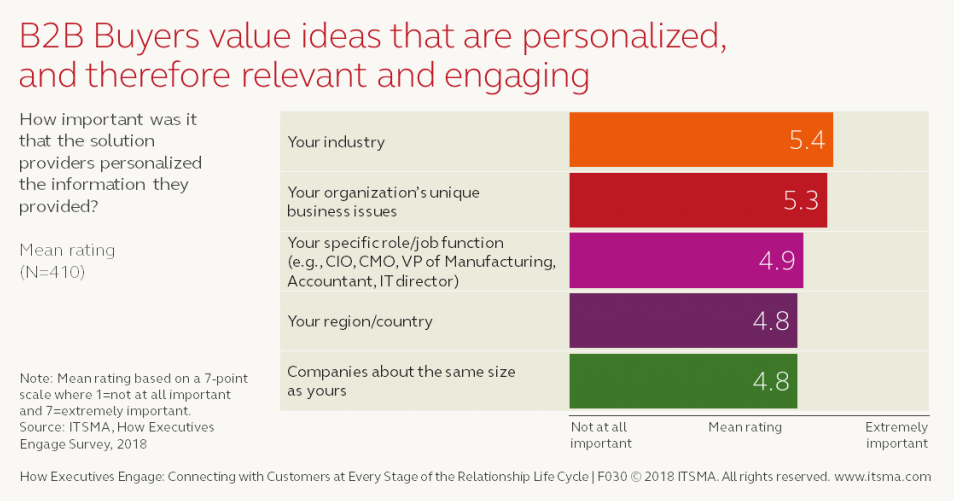
Regularly analyzing purchaser feedback, engagement metrics, and market trends helps fine-tune personalization efforts, ensuring that businesses stay relevant and responsive to their clients’ evolving needs. The more a business invests in understanding its customers and tailoring its offerings, the more successful and sustainable its growth will be.
Drive Growth with Personalized B2B Marketing
Implementing personalization in B2B marketing offers a direct path to deeper customer relationships, higher engagement, and long-term growth. While technology plays a crucial role in managing and scaling personalized efforts, maintaining a human touch remains essential. By balancing data-driven insights with genuine buyer interactions, businesses can build trust, foster loyalty, and ultimately grow.
If you’re looking to improve your marketing strategies with personalized approaches, ISBM offers valuable insights, research, and guidance. Visit ISBM.com or contact us to learn how a membership can transform your marketing and drive success.